
PDRN Makeup Is Coming: Why This Skincare Ingredient Is Moving Into Color Cosmetics
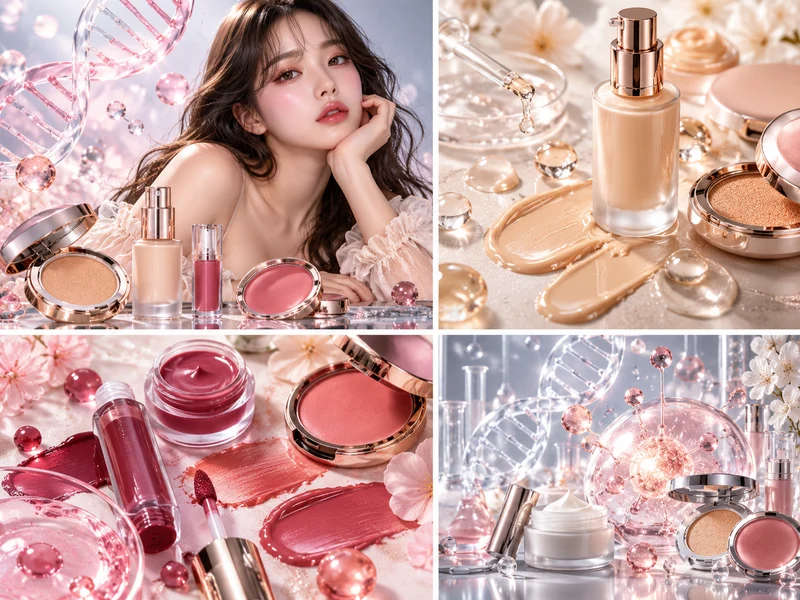
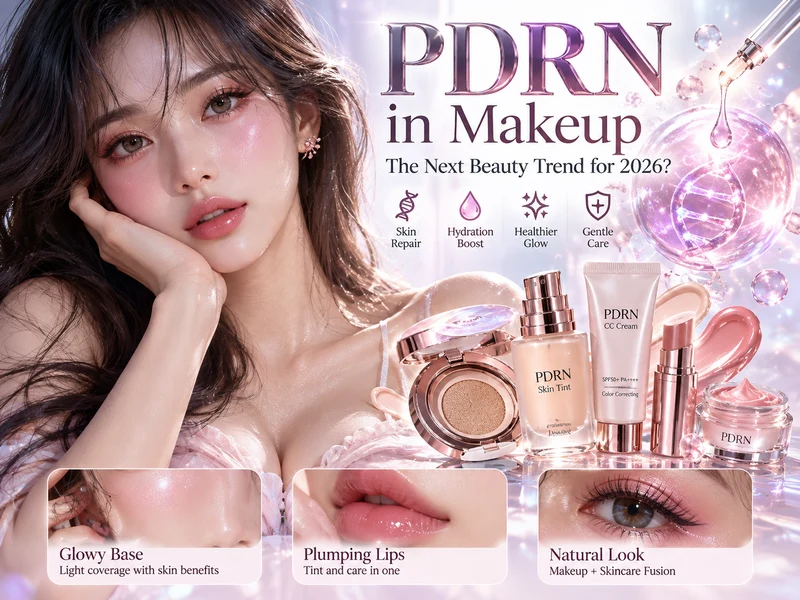
PDRN spent the last year becoming one of K-beauty’s most talked-about skincare ingredients. Now the interesting part is starting: it is moving into makeup. Instead of being limited to serums, masks and creams, PDRN is beginning to appear in products designed to add color, even out the complexion and create a more comfortable finish while still borrowing the language of skin care.
That does not mean every foundation, tint or balm is suddenly turning into a treatment. The bigger shift is that makeup formulas are being asked to do more than cover or decorate. Consumers increasingly expect hydration, comfort and skin-conditioning benefits in the same product they use for color.
Cosmetics Business identified PDRN-infused makeup as one of the notable color-cosmetics trends shaping 2026, describing the ingredient as moving from its breakout skincare moment into makeup. Vogue has also highlighted PDRN as part of the wider rise of bio-regenerative K-beauty ingredients.
What exactly is PDRN?
PDRN stands for polydeoxyribonucleotide. It is made from fragments of DNA and has a history in regenerative medicine and dermatology. In beauty, the ingredient is usually discussed around hydration, skin repair and rejuvenation.
The science is promising, but the marketing can run ahead of the evidence. A 2026 systematic review of randomized clinical trials found encouraging results for PDRN and related polynucleotides in skin rejuvenation, scar care and wound healing, while also emphasizing that the evidence base is still limited by small studies and varied treatment methods.
That distinction matters for makeup. A PDRN foundation or tint should not automatically be treated as equivalent to a medical or injectable PDRN treatment. Formula concentration, delivery system and contact time can all change what a topical cosmetic product can realistically do.
Why is PDRN moving from skincare into makeup?
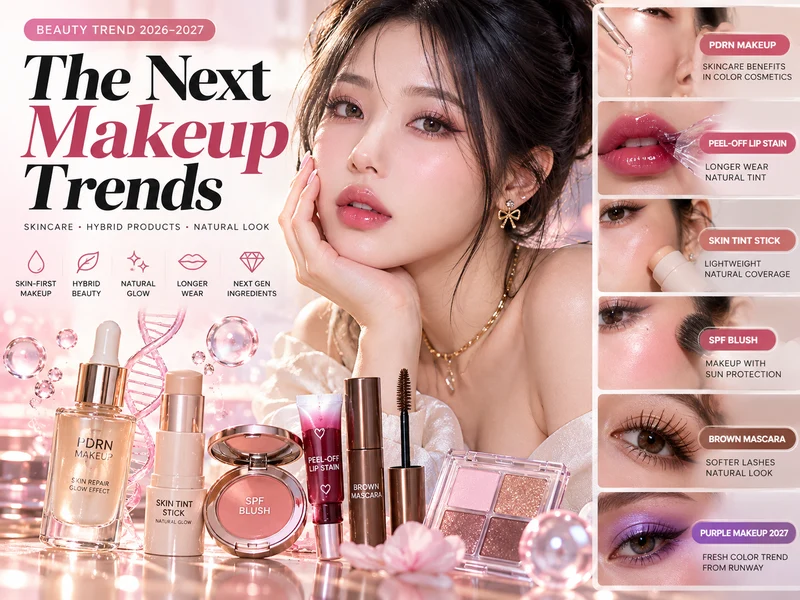
The timing makes sense. Makeup has been moving toward thinner, more flexible and more skin-like formulas for several seasons. Skin tints, serum foundations, balm blushes and moisturizing lip colors all sit somewhere between classic makeup and skincare.
PDRN fits that story because shoppers already recognize it from K-beauty. A brand does not need to introduce an entirely unfamiliar ingredient; it can bring an existing skincare association into a product people already use every morning.
That makes PDRN less interesting as a gimmicky ingredient printed on a bottle and more interesting as part of a larger shift toward hybrid beauty.
What types of PDRN makeup are likely to appear first?
The most logical categories are the ones where skincare and makeup already overlap. We are more likely to see PDRN added to products that stay in close contact with the skin than to products where its presence would make little practical sense.
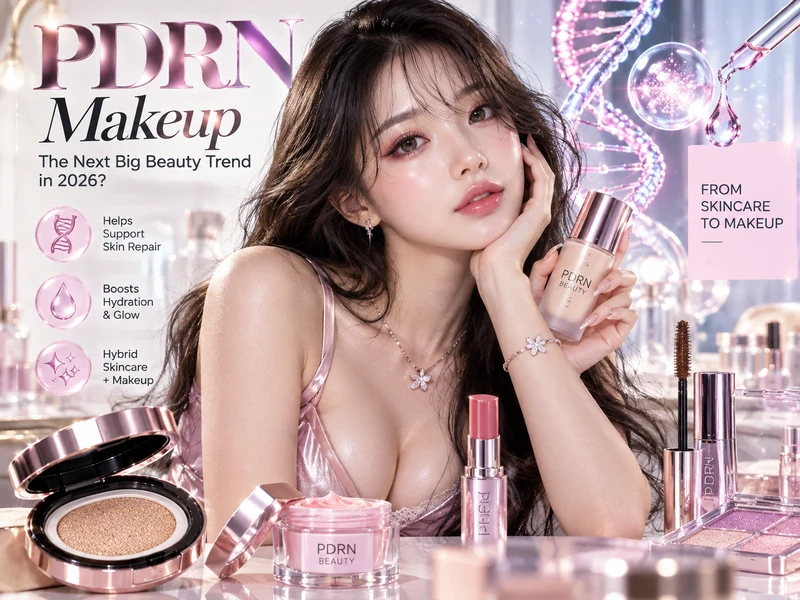
PDRN makeup is part of a much bigger trend
The more important story is not PDRN alone. Beauty products are becoming increasingly difficult to place into a single category. A lip tint may also contain peptides. A foundation can behave like a serum. A blush may include sunscreen claims. A primer can be positioned around barrier support rather than simply grip.
This is why PDRN makeup has room to grow. It arrives at exactly the moment when the border between skincare and color cosmetics is becoming less rigid.
Mobzter has already covered what PDRN does in skincare and compared PDRN vs peptides for skin repair and fine lines. Makeup is the next logical branch of that same ingredient story.
Does PDRN in makeup actually work?
The safest answer is: it depends on the formula, and we should be skeptical of blanket claims.
There is growing research around topical PDRN. A 2026 study on a specific medium-length topical PDRN preparation reported improvements in several photoaging measures in a small split-face clinical study. That is encouraging, but it does not prove that every cosmetic product carrying the letters “PDRN” will deliver the same effect.
A makeup formula may contain PDRN at a different concentration, molecular size or delivery system. It may also be combined with pigments, film-formers, oils, silicones and other ingredients that change how the product behaves on skin.
Look at the complete formula, the type of product and any evidence the brand provides. PDRN can be an interesting bonus, but coverage, shade match, wear time, irritation potential and overall formulation still matter more than one fashionable ingredient.
What should shoppers look for?
If PDRN makeup becomes as visible as peptide lip products and serum foundations, product labels will become increasingly important. These are the questions worth asking before buying:
Why K-beauty may lead this category
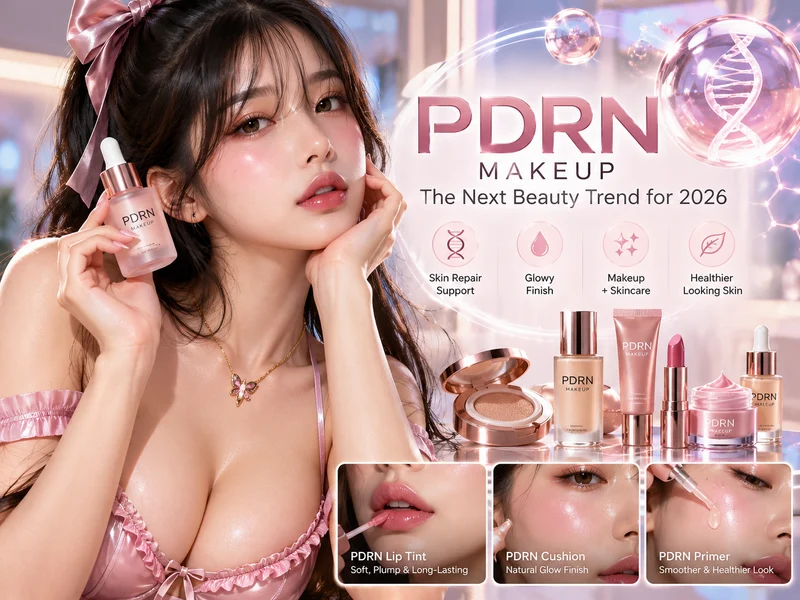
K-beauty has an advantage because it already treats makeup and skincare as neighboring categories rather than separate worlds. Cushion foundations, glossy tints, tone-up products and complexion essences have trained consumers to expect makeup that feels light and skincare-inspired.
Vogue’s reporting on K-beauty in 2026 also points to broader consumer interest in treatment-inspired ingredients and more education around what ingredients such as PDRN actually do. That environment makes it easier for PDRN makeup to move from novelty to recognizable product category.
Could PDRN makeup become the next peptide lip balm?
Possibly, but there is one major difference. Peptides are already familiar across a wide variety of topical products, while PDRN still requires more explanation. That education phase can actually create a search opportunity: people want to know what the ingredient is before deciding whether they need it.
That is exactly what happened with peptide lip balm. The category moved beyond a single viral product because shoppers began searching for what peptides actually do on the lips, whether the formulas are worth the price and how they differ from ordinary balms.
PDRN makeup could follow a similar path if enough brands launch products in the category.
My prediction for the next 12 months
PDRN complexion products arrive first. Cushions, skin tints and primers are the easiest fit.
Lip products follow. Conditioning tints and balms are already one of beauty’s fastest areas of hybrid innovation.
Brands compete on ingredient delivery. Simply printing PDRN on packaging will eventually stop being enough.
The conversation shifts from “does it contain PDRN?” to “how is the PDRN formulated?”
Should you rush to buy PDRN makeup?
Not yet just because the acronym is trending. If you already like lightweight, hydrating makeup, PDRN-infused products may become an interesting option as more formulas reach the market. But the best product will still be the one that suits your skin, shade, finish and budget.
The real reason to watch PDRN makeup is what it says about where beauty is going. Skincare ingredients are becoming part of the way makeup is marketed, formulated and compared. PDRN is one of the clearest examples of that shift in 2026—and it probably will not be the last.

About MOBZTER

No comments
We’d love to hear your thoughts! Share your opinion, experience, or questions in the comments below and join the conversation with other readers. Your feedback not only helps us improve future articles, but it may also help someone else who is looking for the same information.