
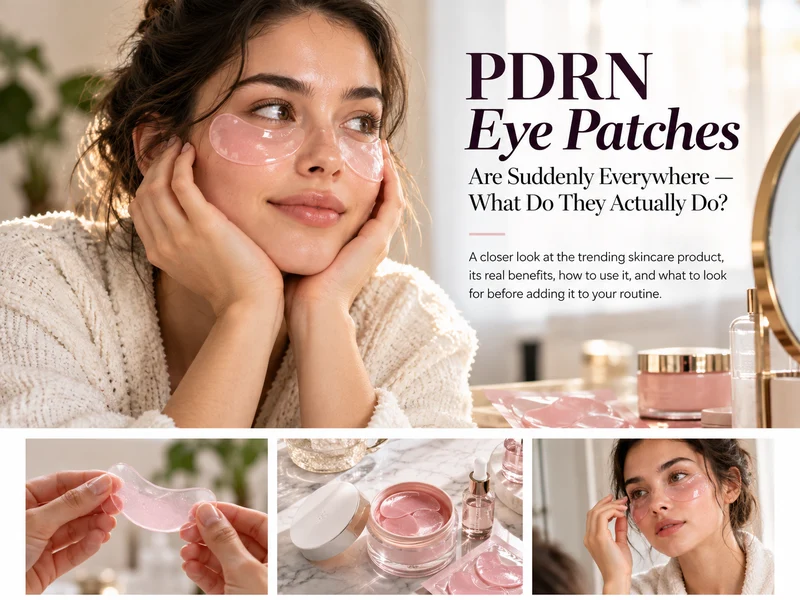
PDRN Eye Patches Are Everywhere — What Do They Actually Do?
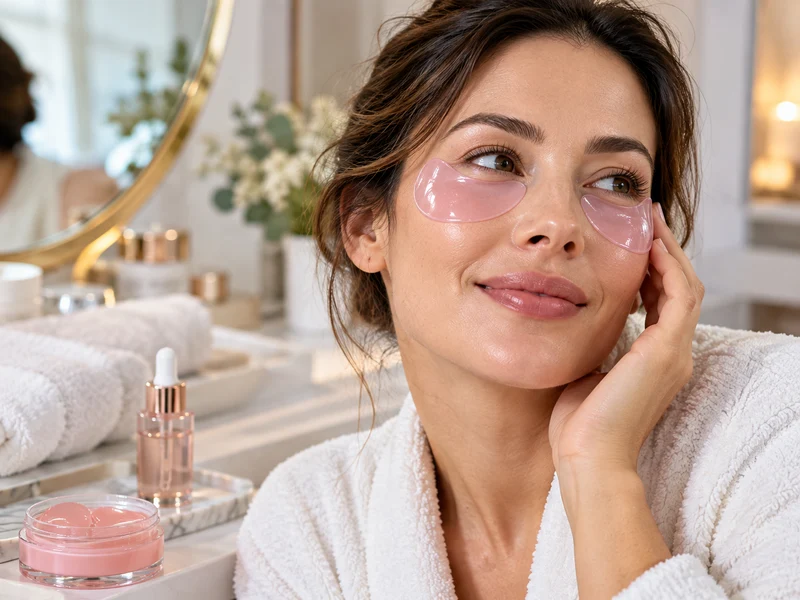
PDRN eye patches have moved from niche K-beauty shelves into mainstream skincare conversations surprisingly fast. They look familiar enough—cooling hydrogel crescents that sit under the eyes—but the ingredient story is what has made people curious. PDRN, short for polydeoxyribonucleotide, is a DNA-derived material that has been studied in regenerative medicine and dermatology, and beauty brands are now putting versions of it into serums, creams and eye patches.
The appeal is easy to understand. The under-eye area is one of the first places where dryness, fine lines and tired-looking skin become noticeable, and patches offer an instant ritual: put them on, wait twenty minutes, peel them off and hope to look a little more awake. The question is whether PDRN itself adds something meaningful—or whether most of the visible effect still comes from hydration, cooling and the other ingredients in the formula.
What exactly is PDRN?
PDRN is made from fragments of DNA. In medical and dermatology research, injectable or pharmaceutical PDRN has been investigated for tissue repair, wound healing and skin rejuvenation. A recent systematic review of randomized trials found encouraging results for skin repair and rejuvenation, but it also stressed that the evidence base is still relatively small and uses different treatment methods and formulations.
If you want the bigger picture before getting into eye-specific products, Mobzter’s guide to what PDRN actually does in skincare covers the ingredient, common product types and the limits of the current evidence in more detail.
That distinction matters because a hydrogel eye patch is not the same thing as an injectable treatment. Topical skincare has to get through the outer layers of the skin, and different PDRN materials can vary in size, source and concentration. There is now early human research on topical PDRN around the eye area, including a randomized split-face study using a 0.1% PDRN eye cream, but it would still be a stretch to assume every PDRN patch delivers the same results.
So what can PDRN eye patches realistically do?
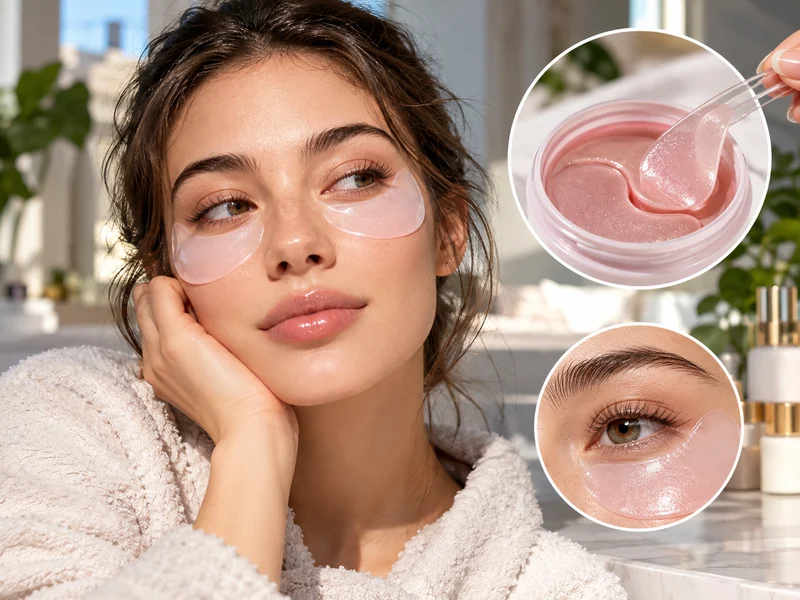
The fastest effect is usually hydration. Hydrogel patches hold a water-rich serum against the skin and reduce evaporation while you wear them. That temporary occlusive effect can make fine dehydration lines look softer and the under-eye area feel smoother almost immediately.
If the formula also includes humectants such as glycerin or hyaluronic acid, the plumping effect can be more noticeable. Caffeine may help the appearance of puffiness for some people, while niacinamide can support the skin barrier and improve the look of uneven tone over time. Peptides, adenosine and retinal are also appearing in newer eye-patch formulas, which means the product may be doing much more than simply delivering PDRN.
Why the rest of the ingredient list matters
One of the easiest mistakes with trendy skincare is buying the headline ingredient instead of the complete formula. A jar can say “PDRN” on the front while the ingredient itself appears in a very small amount. That does not automatically make the product useless, but it does mean you should look at what else is doing the work.
For example, VT Cosmetics currently sells a PDRN Hydrogel Eye Patch in the US through Ulta. Its ingredient list includes Sodium DNA along with glycerin, niacinamide, caffeine, retinal, peptides, adenosine and several forms of hyaluronic acid. In a formula like that, it would be difficult to credit any visible improvement to a single ingredient.
That is also why a product with a less dramatic label can sometimes work just as well for your main concern. If your under-eyes are mostly dry, a patch rich in humectants and barrier-supporting ingredients may be more useful than chasing the highest-sounding PDRN claim.
What should you look for before buying?
I would start with the concern you actually want to address. For puffiness, caffeine and a cooling gel format make sense. For dryness, look for glycerin, hyaluronic acid, panthenol or ceramides. For fine lines, peptides or a carefully formulated retinoid can be more relevant. If you specifically want to try PDRN, check whether the brand clearly identifies the PDRN or Sodium DNA source and whether it gives useful information about the formula instead of relying only on “salmon DNA” marketing.
If you already use several active ingredients, it is also worth checking how the patch fits into the rest of your routine. Mobzter’s guide to layering PDRN, peptides, retinol and vitamin C is useful if your skincare shelf is starting to get crowded.
How to use them without overcomplicating your routine
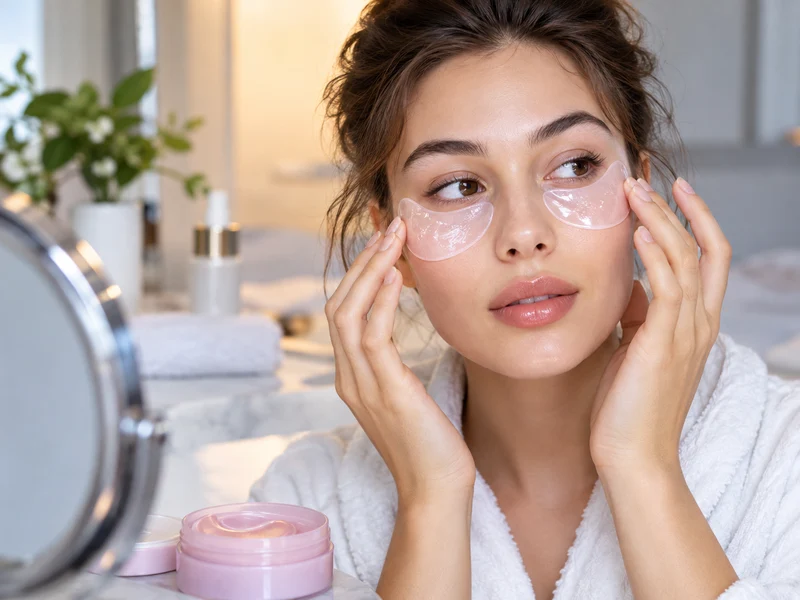
Most hydrogel eye patches are designed for clean, toned skin. Apply them under the eyes, leave them on for the time recommended by the brand—often around 15 to 30 minutes—then remove them and gently pat in the remaining serum. Leaving hydrogel patches on until they are completely dry is not necessarily better; once the patch loses water, it is no longer giving you the same comfortable occlusive effect.
You also do not need to use them every day unless the product is designed for daily use and your skin tolerates it. Two or three times a week can be enough if you simply enjoy the hydration and cooling effect. Before makeup, they can be especially useful because smoother, hydrated under-eyes tend to make concealer sit more evenly.
Are they better than an eye cream?
Not automatically. Eye patches are better at creating a short, concentrated treatment moment because they hold serum against the skin. An eye cream is usually better for consistency because you can use it every morning or night without sitting around with patches on your face.
If your main goal is long-term improvement, a well-formulated daily product plus sunscreen is still the more important foundation. Eye patches make sense as an extra step when you want hydration, cooling or a smoother look before makeup. They become more interesting when the formula contains evidence-backed actives that you actually want to use.
What about dark circles?
This is where expectations need to stay realistic. Dark circles can come from pigmentation, visible blood vessels, thin skin, allergies, shadows from facial structure or simply genetics. One eye patch cannot fix all of those causes.
Hydration can make the area look brighter because dry, crepey skin reflects light differently. Caffeine may temporarily improve the appearance of puffiness, and niacinamide can help with uneven tone over time. But a PDRN patch is not guaranteed to erase hereditary or structural dark circles.
The same cautious approach applies to other buzzy ingredients. Ectoin, for example, is getting attention for hydration and barrier support, but it works best when judged as part of a complete formula rather than as a miracle label. You can read more in Mobzter’s guide to what ectoin actually does in skincare.
The most interesting part of the trend
What makes PDRN eye patches worth watching is not that they have suddenly solved under-eye aging. It is that K-beauty is pushing a familiar product format into a more treatment-focused direction. Instead of simple cooling gels, newer patches are combining PDRN with retinal, peptides, caffeine, niacinamide and sophisticated hydration systems.
That makes them more useful—but also more complicated. The best product is probably not the one with the loudest PDRN claim. It is the one whose full formula matches what your under-eye area actually needs and that you can use comfortably without irritation.
Sources: Recent randomized-trial reviews of PN/PDRN in dermatology are available through PubMed. A 2026 study of topical PDRN eye cream is also indexed on PubMed. Product ingredient information for VT Cosmetics PDRN Hydrogel Eye Patch is listed by Ulta Beauty.

About MOBZTER

No comments
We’d love to hear your thoughts! Share your opinion, experience, or questions in the comments below and join the conversation with other readers. Your feedback not only helps us improve future articles, but it may also help someone else who is looking for the same information.