
Ectoin Is the Skincare Ingredient Everyone Is Talking About—Here’s What It Actually Does
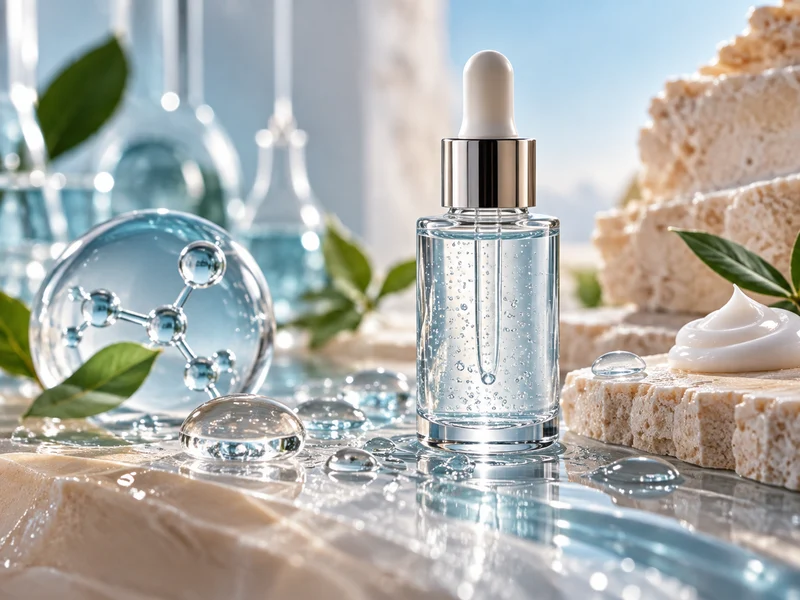
Ectoin is starting to show up in more serums, moisturizers and barrier-focused formulas, often next to familiar ingredients such as ceramides, hyaluronic acid and peptides. The promise sounds appealing: better hydration, calmer skin and more support for a stressed skin barrier. But unlike many viral ingredients, ectoin has been studied for years in topical products, especially for dry and barrier-impaired skin.
That does not make it a miracle ingredient. It does make it an interesting one, especially if your skin often feels tight, dry, reactive or easily irritated by weather, cleansing or active ingredients.
What exactly is ectoin?
Ectoin is a small molecule produced by microorganisms that live in extreme environments. These organisms use it as a protective compound to help stabilize proteins, cell membranes and water balance when conditions become harsh.
That protective behavior is the reason ectoin became interesting in skincare. Research on topical ectoin has found improvements in hydration and barrier-related measurements, while clinical studies involving barrier-impaired skin have reported good tolerability.
Why ectoin is getting more attention now
Skincare trends have been shifting away from endlessly adding stronger actives and toward protecting the skin barrier. Dermatologists and beauty editors have recently highlighted recovery-focused routines, milky textures, peptides, PDRN and ectoin as part of that broader move.
Ectoin fits this direction well because it is not primarily an exfoliant, retinoid or pigment-targeting ingredient. Its role is more supportive: help the skin hold onto water, feel more comfortable and cope better with environmental or routine-related stress.
What the research actually says
A systematic review of ectoin-containing topical products found that formulations containing ectoin improved dryness and related symptoms in studies involving atopic dermatitis and retinoid-related skin irritation. The authors also reported generally good tolerability.
An earlier randomized clinical trial involving mild to moderate atopic dermatitis found that an ectoin-containing cream performed similarly to the comparator barrier-support cream used in the study. Other research in healthy skin has also reported improvements in moisturization and barrier-related measures.
Ectoin vs hyaluronic acid
Hyaluronic acid is a classic humectant. Its main appeal is helping attract and hold water in the upper layers of the skin, which can make skin look and feel more hydrated.
Ectoin also has strong water-binding properties, but the ingredient is usually discussed in a broader protective context because of its ability to stabilize biological structures under stress. In practice, the two ingredients do not need to compete. They can work well in the same formula.
Ectoin vs ceramides
Ceramides are lipids that naturally make up an important part of the skin barrier. When the barrier is dry or compromised, replacing or supporting those lipids can be very useful.
Ectoin does something different. It does not replace ceramides. Instead, it can support hydration and help protect cells and membranes from stress. That is why a moisturizer containing both ceramides and ectoin can make more sense than choosing one over the other.
Who may benefit most from ectoin?
Ectoin is especially interesting for skin that feels dry, tight, weather-stressed or easily irritated. It may also suit routines that already contain retinoids, exfoliating acids or benzoyl peroxide, where the goal is to add more comfort without introducing another aggressive active.
If you already use barrier-friendly ingredients, the article on PDRN skincare is useful for comparing another ingredient that is being discussed for recovery-focused routines.
How to add ectoin to a routine
The easiest approach is to treat ectoin as a supportive hydration step rather than the centerpiece of the entire routine.
Ectoin is generally easy to combine with niacinamide, hyaluronic acid, peptides and ceramides. It can also sit alongside retinoids and exfoliating acids, although the overall routine should still be adjusted if irritation develops.
What should you look for on the ingredient list?
Look for ectoin or ectoine in the ingredient list. Some products combine it with glycerin, hyaluronic acid, panthenol, ceramides or peptides. Those combinations are usually more useful than judging a product by one ingredient alone.
Do not assume that a higher price means a better ectoin product. Packaging, texture, supporting ingredients and whether the formula suits your skin matter more than marketing language.
Can ectoin replace a moisturizer?
Usually not. A lightweight ectoin serum can improve hydration, but dry skin often still benefits from a moisturizer containing emollients and occlusive ingredients that reduce water loss.
If your skin is oily but dehydrated, a lightweight ectoin serum plus a gel-cream may be enough. If your skin is very dry, pair it with a richer moisturizer instead.
Is ectoin good for sensitive skin?
The available clinical literature suggests good tolerability, including in studies involving barrier-impaired skin. Still, no cosmetic ingredient is guaranteed to suit everyone. Fragrance, preservatives or other actives in the same product can be more irritating than ectoin itself.
Patch testing is useful if your skin reacts easily, especially when trying a new formula with several unfamiliar ingredients.
Is ectoin worth trying?
Ectoin looks most useful as a quiet support ingredient rather than a dramatic overnight treatment. Its strongest case is hydration, barrier support and comfort for skin that regularly feels stressed or dry.
If your routine already works well, there is no reason to replace everything just to add ectoin. But if you are building a gentler routine around hydration and barrier resilience, it is one of the more credible newer ingredients to keep an eye on.

About MOBZTER

No comments
We’d love to hear your thoughts! Share your opinion, experience, or questions in the comments below and join the conversation with other readers. Your feedback not only helps us improve future articles, but it may also help someone else who is looking for the same information.