
Best Purple Nail Colors for Every Skin Tone: Lavender, Mauve, Plum and Violet
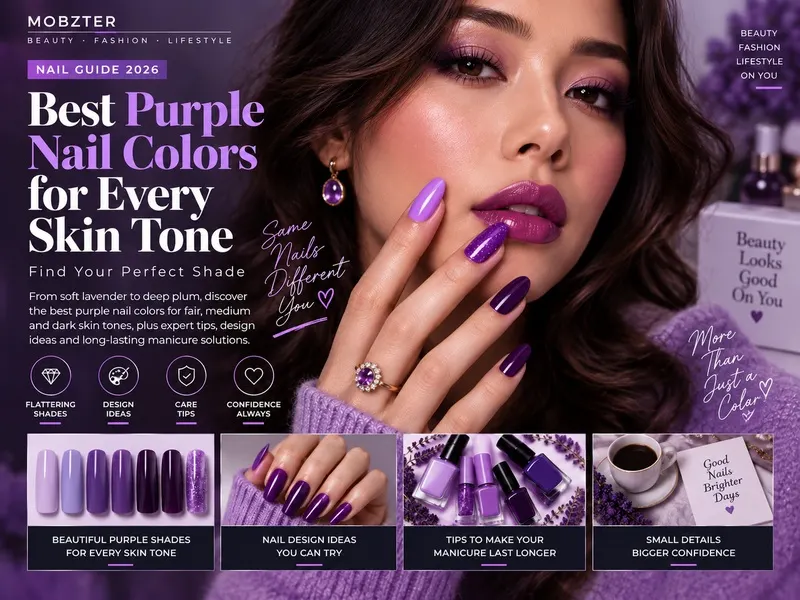
Purple nail polish is one of those colors that can look completely different from one bottle to the next. Lavender can feel airy and cool, mauve can behave almost like a neutral, violet is unmistakably bold, and plum can be as sophisticated as a classic burgundy.
So when a purple manicure looks amazing on someone else but somehow feels off on your own hands, purple itself usually is not the problem. The shade may simply be too cool, too warm, too pale or too close to your skin depth. Here is a practical way to narrow the options without turning nail color into a complicated science project.
Choose purple by undertone first and depth second. If a pale lavender makes your hands look gray, move warmer or deeper. If a plum feels heavy, move toward mauve or a clearer violet instead.
Lavender, Lilac, Mauve, Violet and Plum Are Not the Same
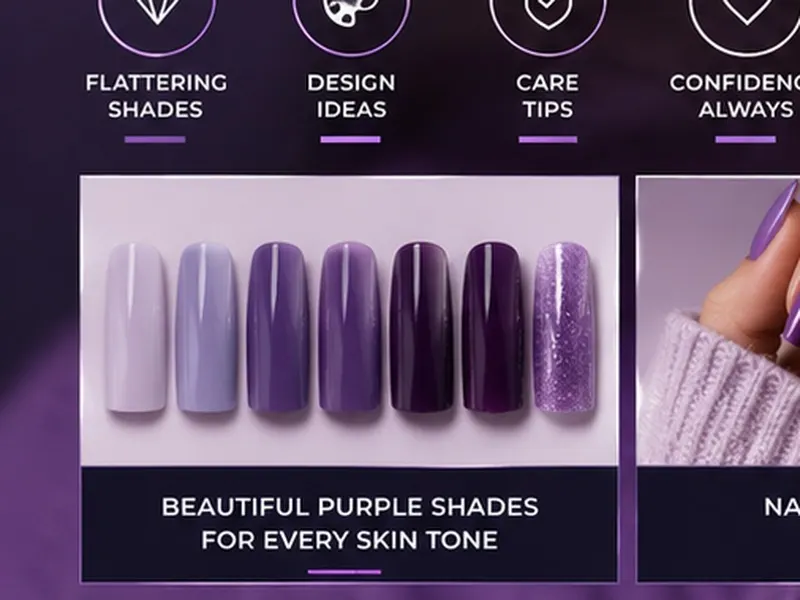
Beauty labels are not perfectly standardized, but these names are useful for navigating the purple spectrum. Lavender usually leans cooler and bluer. Lilac often feels a little pinker. Mauve is muted and may contain pink, gray or brown. Violet is clearer and more saturated, while plum moves toward red-purple and becomes deeper.
cool + soft
soft + pinker
muted + warm
clear + bold
deep + red-purple
First, Work Out What Your Skin Is Doing With the Color
Undertone is more useful than simply calling skin fair, medium or deep. Two people with a similar skin depth can react differently to the same polish because one complexion is cooler and the other warmer. Vein color can offer a clue, but it is not a perfect test. Jewelry preference and how your skin responds to cool versus warm clothing can provide extra hints.
Start with lavender, periwinkle, blue-violet and cooler amethyst. These echo the cooler notes already present in the skin.
Try warm lilac, dusty mauve, berry-purple and red-leaning plum. These are less likely to feel icy against golden skin.
Balanced violet, mauve and medium lavender are easy starting points. Neutral skin generally gives you more freedom to move in either direction.
Rich grape, jewel violet, plum and eggplant can create beautiful definition. Pastels can work too; choose enough saturation if very pale lavender looks chalky.
What Works on Fair Skin?
There is no rule saying fair skin must wear pastel purple. In fact, if a very white-based lavender nearly disappears or makes the fingers look washed out, increasing the contrast can solve the problem. Try a clearer lilac, medium violet or jewel purple.
If your fair skin is warm rather than cool, dusty mauve or pink-leaning lilac can be easier than icy blue lavender. The useful test is whether the polish makes the surrounding skin look lively rather than emphasizing redness or grayness.
What Works on Medium and Olive Skin?
Medium and olive complexions have a lot of room to experiment. Saturated violet, amethyst and plum create visible contrast, while dusty lavender and mauve can give a quieter result. Olive skin can sometimes make extremely blue pastels appear more gray, so compare them with a warmer lilac or richer violet before deciding.
What Works on Tan, Brown and Deep Skin?
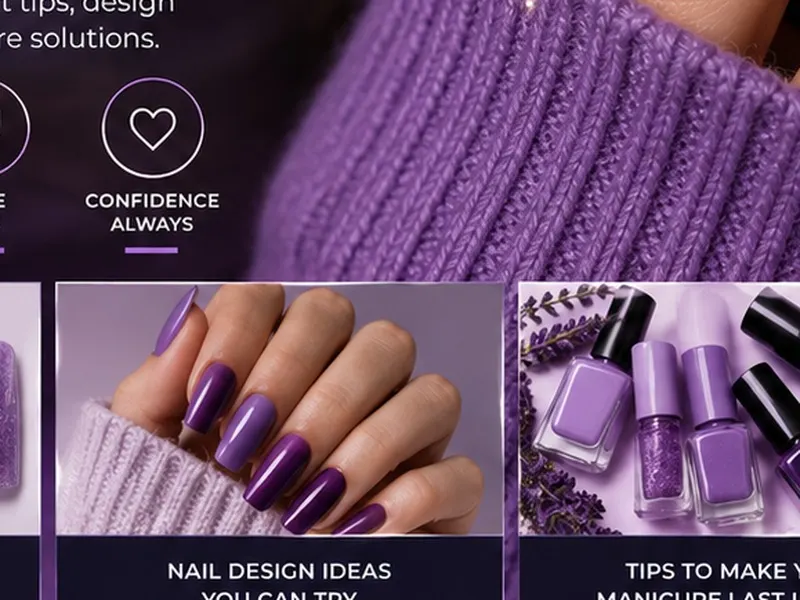
Rich purple has enough saturation to stand clearly against deeper complexions, which makes violet, grape, amethyst, eggplant and plum particularly striking choices. A vivid purple can be playful; a near-black plum can feel polished and understated despite being dark.
Light lavender is still an option. The question is whether you want strong pastel contrast. If a pale purple looks too chalky for your taste, choose a lavender with more pigment or move one step deeper toward orchid or amethyst.
Use This Quick Decision Test Before Buying
Finish Can Matter as Much as Shade
A creamy lavender looks softer than the same color in chrome. Sheer purple lets some natural nail show through, which can make a difficult pastel easier to wear. Glossy plum reflects light and reveals its purple undertone, while matte plum can appear deeper and more dramatic.
For everyday wear, cream, sheer and subtle shimmer finishes are easy to coordinate. Chrome, magnetic effects and glitter add visual weight, so they work well when you actually want the manicure to become an accessory.
Make Dark Purple Polish Easier to Maintain
Dark violet and plum show chips clearly because of their contrast with the natural nail. Use controlled thin coats, clean the cuticle edge carefully and finish with top coat. A base coat is also a sensible step under strongly pigmented dark shades, especially if your nails are prone to staining.
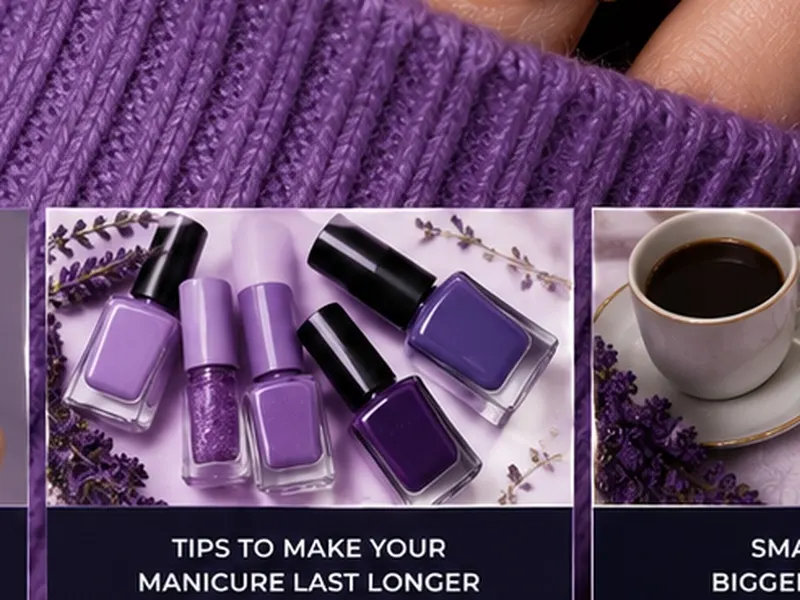
If possible, test a swatch or press-on sample beside your fingers in daylight. Store lighting and product photos can shift purple dramatically, especially shades sitting between blue, pink and gray.
Build a Small Purple Nail Wardrobe Instead of Chasing One Perfect Color
If you wear purple often, three shades cover most situations: a soft lavender or lilac for a light manicure, a medium mauve or violet for everyday color, and a deep plum for a moodier look. You can then change the finish or nail art without buying another nearly identical bottle every time a new purple trend appears.
That is also what makes purple such a useful color family for Mobzter's current nail guides: cloud purple can handle the softer end, violet provides the statement option, and plum gives you depth. If you're planning a seasonal manicure, you can also browse these fall nail ideas for 2026 to see how purple works alongside richer autumn shades. Once you know which direction makes your hands look their best, choosing among all those purple bottles becomes much less of a guessing game.

About MOBZTER

No comments
We’d love to hear your thoughts! Share your opinion, experience, or questions in the comments below and join the conversation with other readers. Your feedback not only helps us improve future articles, but it may also help someone else who is looking for the same information.