
Silver Metallic Fashion: How Light, Color and Shine Transform an Outfit

Silver can look icy in daylight, softly gray in the shade and almost champagne-toned under warm lamps. That is the appeal of metallic colors: they are never entirely static. Their appearance changes with light, texture and the colors placed beside them.
In fashion, the difference between silver, chrome, pewter and gunmetal is worth noticing. Understanding those shades makes it easier to choose a finish that looks intentional rather than simply shiny.
What Makes a Color Look Metallic?
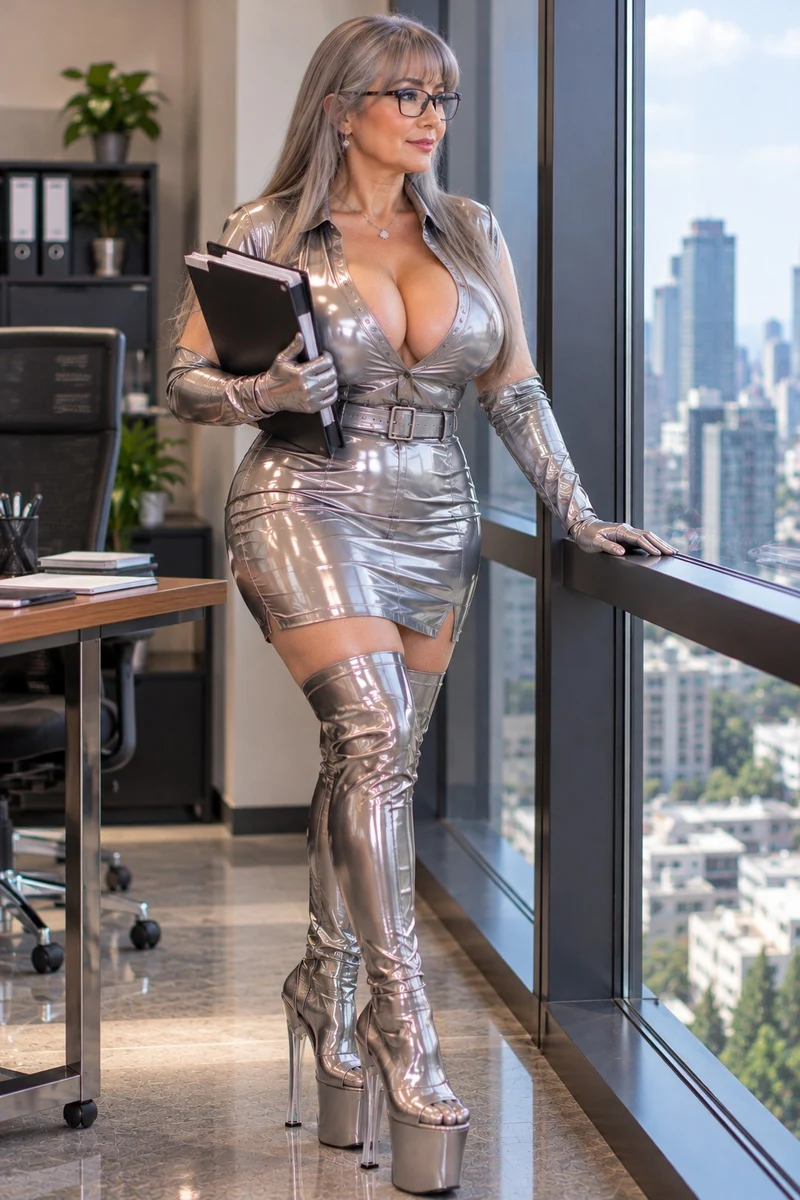
A metallic color is not defined by hue alone. It is the interaction between color, surface texture and reflected light that creates a metal-like impression. Two garments may both be called silver, yet one looks soft and pearlescent while the other resembles polished chrome. Fine highlights, darker folds and changing reflections give metallic surfaces their depth.
Silver, Chrome, Pewter and Gunmetal
Classic silver is bright and relatively neutral, making it easy to combine with cool or warm accessories. Chrome appears sharper and more mirror-like, with high-contrast reflections. Pewter has a muted gray character that feels understated, while gunmetal is deeper and moodier, often reading as charcoal with a metallic sheen. These distinctions help explain why a single color family can produce dramatically different outfits.
How Lighting Changes Metallic Colors

Daylight near a window often makes silver appear cooler and clearer. Warm indoor lighting can introduce champagne or beige reflections, especially on highly polished surfaces. Under directional studio lights, the brightest highlights become more dramatic. When choosing metallic clothing, view it in more than one lighting condition: the same finish can shift noticeably from morning to evening.
Combining Metallic Colors With Neutrals

Silver with white creates a fresh, airy palette. Silver with black looks graphic and high-contrast, while charcoal gives it a more restrained, tonal effect. Beige and taupe can soften the coolness of silver without eliminating its shine. Rather than matching every accessory exactly, choose a neutral anchor and let one metallic piece carry the visual emphasis.
Glossy, Satin and Mirror-Like Finishes

A glossy finish creates distinct highlights; a satin metallic finish scatters light more gently; and a mirror-like surface produces strong reflections that change with every movement. The base fabric matters, too. Coated textiles, metallic knits and high-shine latex can all appear silver, but each bends, drapes and reflects differently. The most useful comparison is the finish itself, not simply the material name.
Choosing the Right Metallic Tone

For a soft daytime look, try muted pewter or satin silver with understated neutrals. If you want a more striking editorial effect, brighter chrome or polished silver can become the centerpiece. Gunmetal works well when a deeper, less luminous palette is preferred. Ultimately, the best metallic shade is the one whose brightness, undertone and surface finish fit the setting and the look you want to create.
To see how another metallic shade changes the mood of an outfit, compare the warmer styling in The Gold Rules Outfit. For a closer look at how glossy materials behave beyond their color, explore the Latex Fashion Guide.

About MOBZTER

No comments
We’d love to hear your thoughts! Share your opinion, experience, or questions in the comments below and join the conversation with other readers. Your feedback not only helps us improve future articles, but it may also help someone else who is looking for the same information.